 delishing
How to Cook Perfectly Flaky Salmon in Your Air Fryer

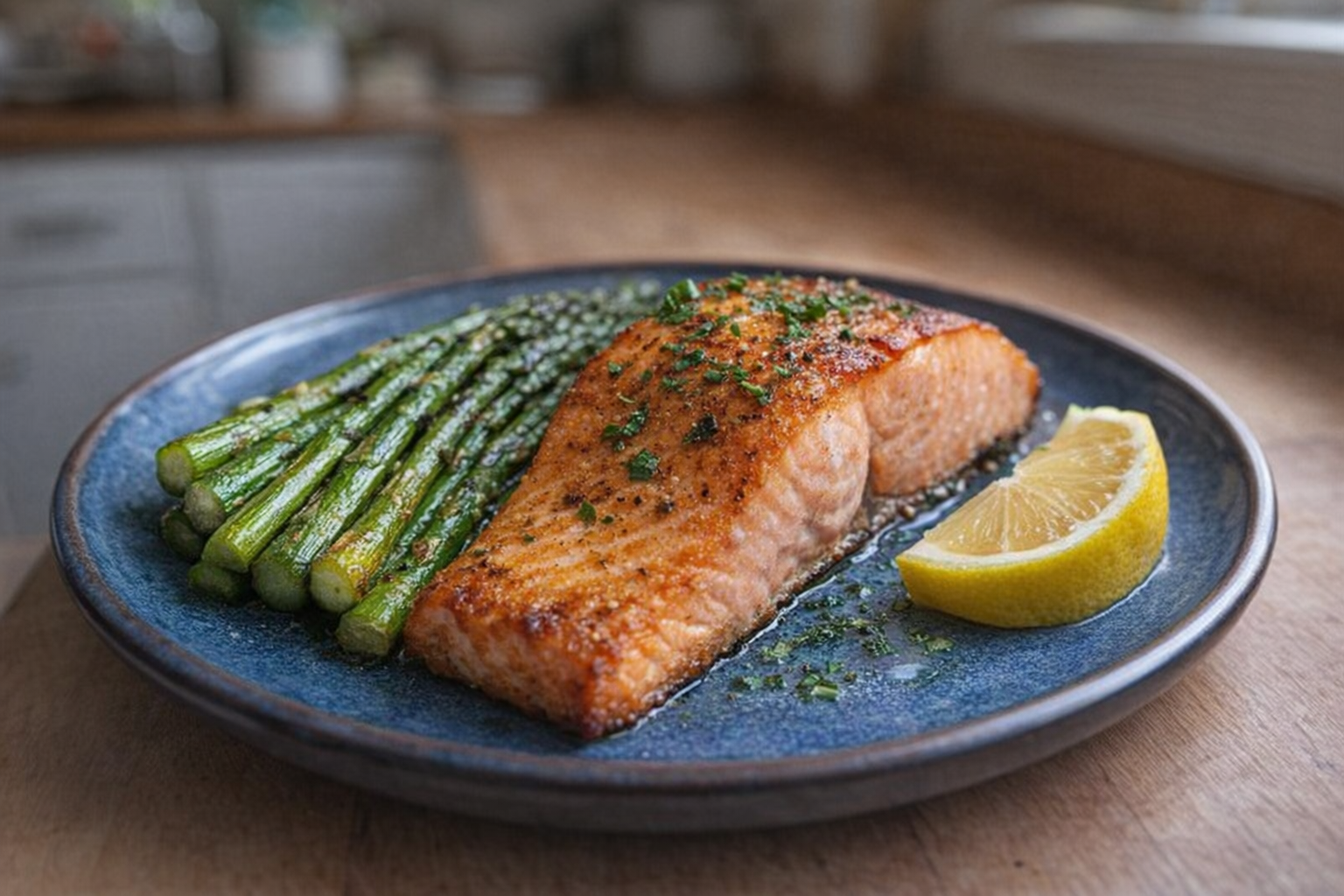
The air fryer has revolutionized the way we cook, and salmon is no exception. This method delivers incredibly moist, flaky salmon with a beautifully crisp exterior in a fraction of the time it takes to bake or pan-sear. The secret lies in the rapid circulation of hot air, which cooks the salmon evenly and seals in its natural juices.
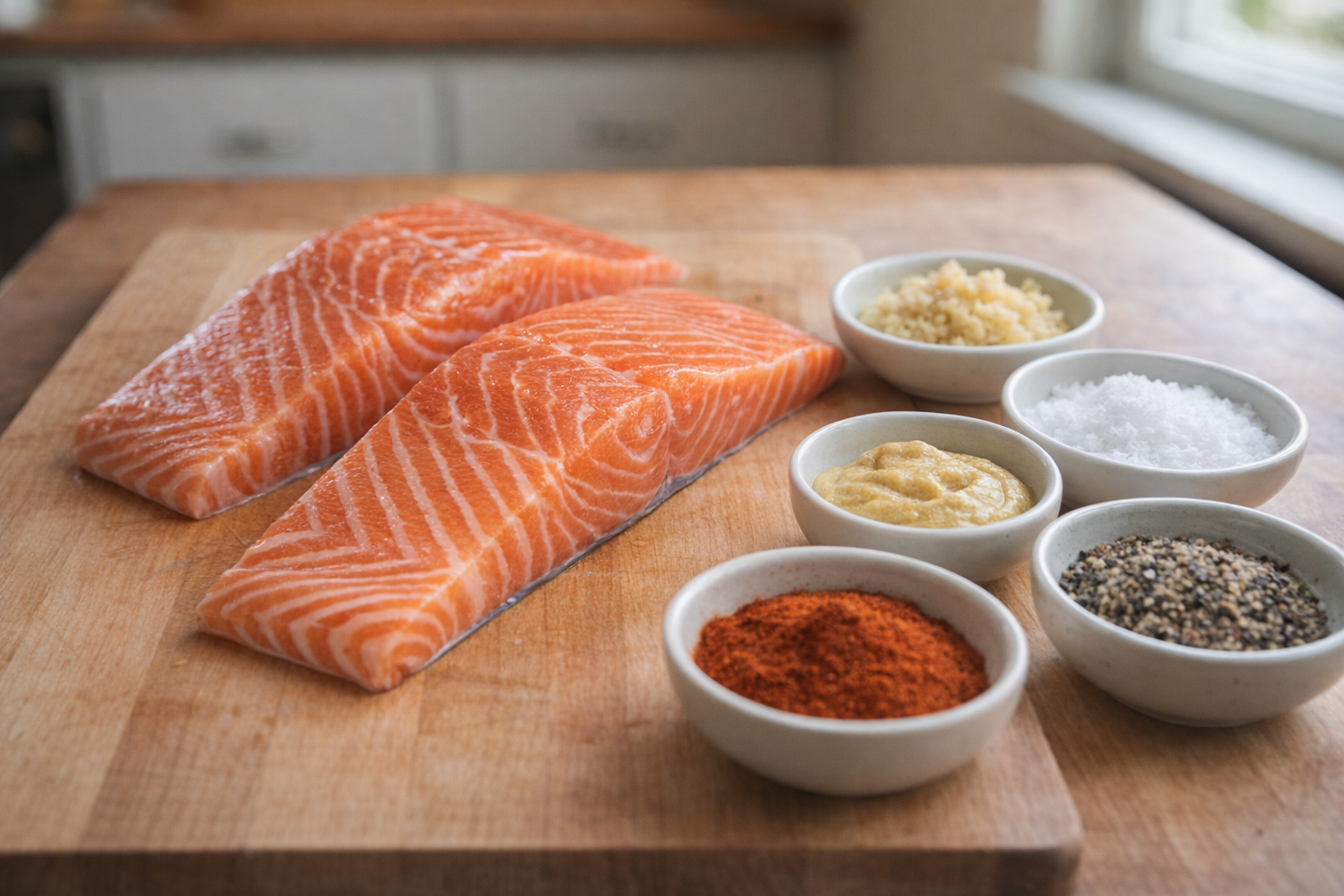
This air fryer salmon recipe boasts a balanced flavor profile. The Dijon mustard provides a subtle tang that complements the rich, oily character of the salmon, while the smoked paprika adds a smoky depth. Fresh ginger and garlic provide a sharp, aromatic counterpoint, resulting in a dish that's both comforting and complex.
Understanding Salmon Cuts
When selecting salmon for air frying, understanding the different cuts is key.
- King Salmon (Chinook): Known for its high fat content and rich flavor, King salmon is an excellent choice for air frying, resulting in an exceptionally moist and flavorful dish. It's the most expensive, but often worth the splurge.
- Sockeye Salmon: This variety has a vibrant red color and a robust, slightly gamey flavor. Its firmer texture holds up well to the high heat of the air fryer.
- Coho Salmon: A milder-flavored option with a medium fat content. It's a good all-purpose salmon that's readily available and relatively affordable.
- Atlantic Salmon: Farmed Atlantic salmon is widely available and typically more budget-friendly. Look for sustainably farmed options.
Why Cook Salmon This Way?
- Versatility: Easily customizable with different seasonings and marinades.
- Flavor: Achieves a crispy exterior and moist, flaky interior that's hard to replicate with other methods.
- Convenience: Cooks in under 15 minutes, making it perfect for weeknight meals.
Preparation (Mise en Place)
- If using frozen salmon, thaw it completely in the refrigerator overnight. Pat the salmon fillets dry with paper towels. This step is crucial for achieving a crispy skin.
- Cut the salmon fillets into even sizes, ensuring they are roughly the same thickness. This promotes even cooking. Aim for fillets that are about 1-inch thick.
- Grate fresh ginger and mince fresh garlic to create a fine paste.
Essential Tools
- Air Fryer: A standard air fryer with a basket or tray will work. The size of your air fryer will determine how many fillets you can cook at once.
- Paper Towels: For patting the salmon dry.
- Small Bowl: For mixing the seasoning blend.
- Pastry Brush or Spoon: For spreading the Dijon mustard.
- Instant-Read Thermometer (Optional): To ensure the salmon is cooked to a safe internal temperature.
The Cooking Method(s)
Method 1: Classic Air Fryer Salmon
This method provides a simple and reliable way to cook salmon in your air fryer with minimal fuss.
Ingredients:
- 2 (6-8 ounce) salmon fillets, skin-on or skinless
- 1 tablespoon Dijon mustard
- 1/2 teaspoon smoked paprika
- 1/4 teaspoon salt
- 1/4 teaspoon black pepper
- 1 teaspoon minced fresh ginger
- 1 teaspoon minced fresh garlic
- 1 teaspoon olive oil
- Preheat your air fryer to 400°F (200°C). This is crucial for achieving a crispy exterior.
- Pat the salmon fillets dry with paper towels. Excess moisture will steam the salmon instead of allowing it to crisp.
- Spread Dijon mustard evenly over the top of each salmon fillet. The mustard acts as a binder for the seasoning and adds a subtle tang.
- In a small bowl, combine smoked paprika, salt, and pepper. Sprinkle the seasoning mixture evenly over the mustard-coated salmon fillets.
- Gently rub the minced ginger and garlic paste onto the seasoned fillets.
- Drizzle each fillet with olive oil. The oil helps to promote browning and prevents the salmon from drying out.
- Place the salmon fillets in the air fryer basket, ensuring they are not overcrowded. Allow for some space between the fillets for proper air circulation.
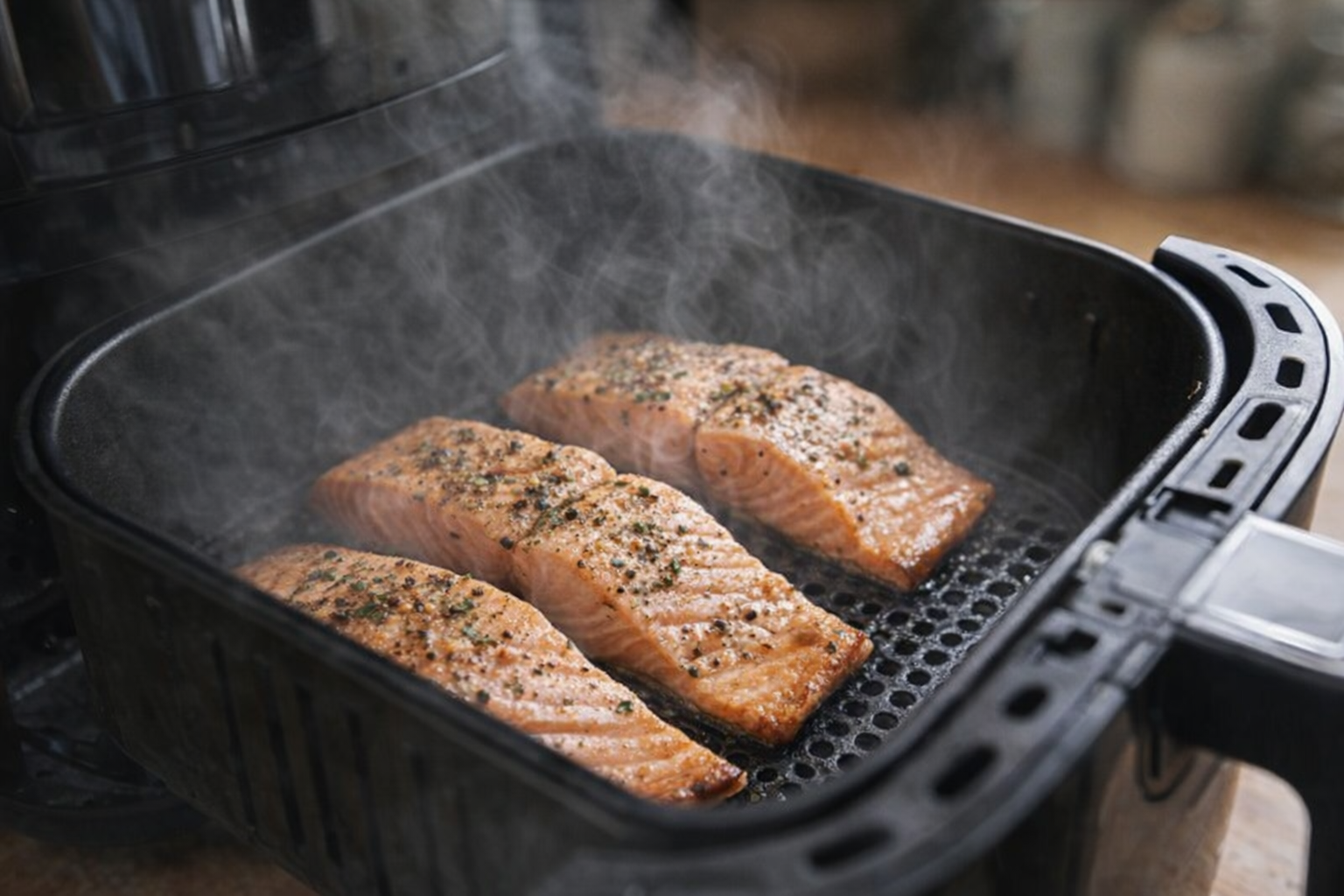
- Cook for 8-12 minutes, depending on the thickness of the fillets. Listen for the sizzling sound of the salmon cooking and watch for the color to change from translucent to opaque.
- Check for doneness by gently flaking the salmon with a fork. It should be easily flaked and opaque throughout. An internal temperature of 145°F (63°C) is ideal.
- Carefully remove the salmon from the air fryer and let it rest for a few minutes before serving.
Cooking Time & Doneness Guide
- Thin Fillets (½ inch or less): 7-8 minutes at 400°F (200°C).
- Medium Fillets (¾ inch): 8-10 minutes at 400°F (200°C).
- Thick Fillets (1 inch or more): 10-12 minutes at 400°F (200°C).
Visual Cues
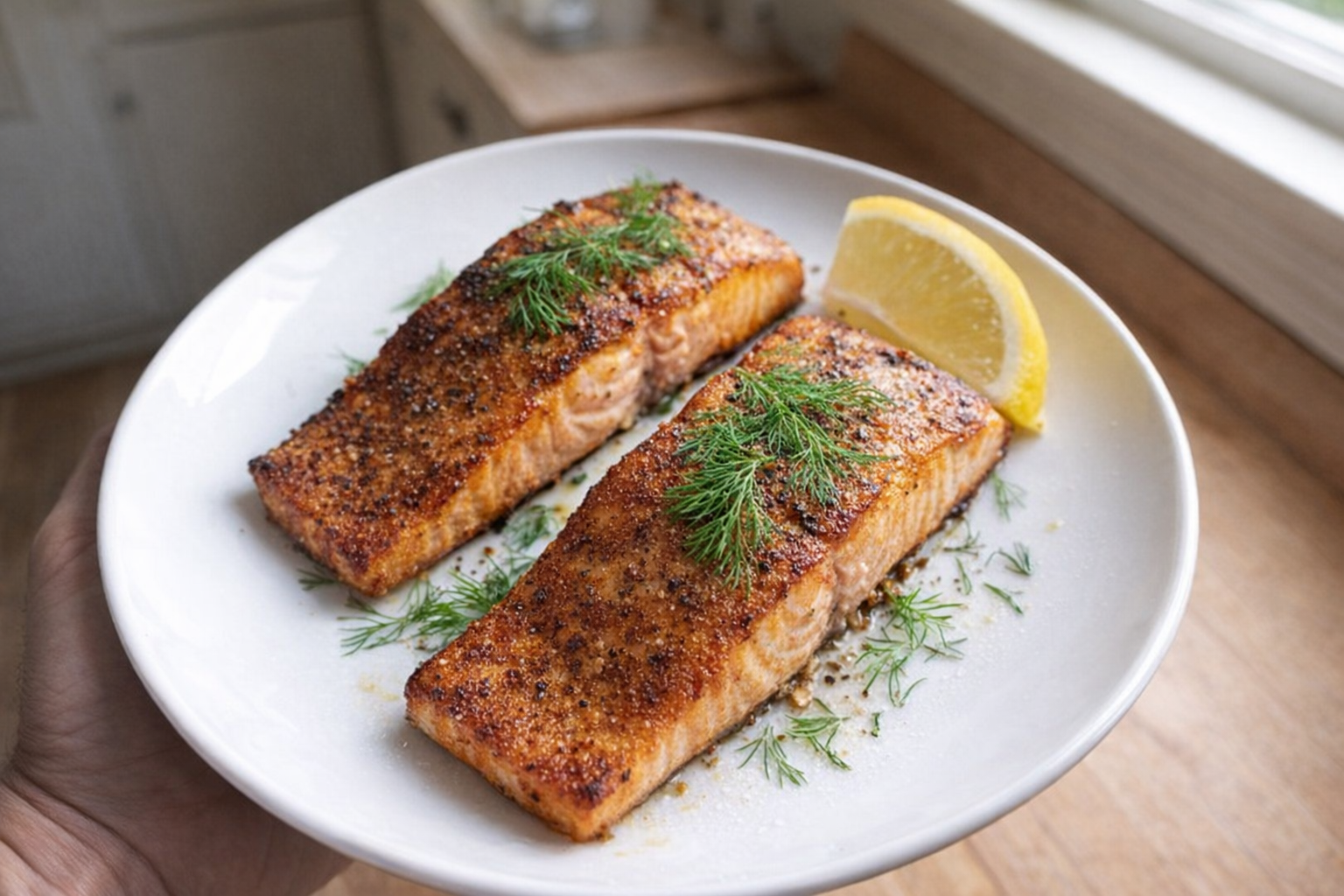
- The salmon should be opaque and easily flaked with a fork.
- The internal temperature should reach 145°F (63°C).
- The surface should be lightly browned and slightly crispy.
Tips for Perfection
- Don't Overcrowd the Air Fryer: Cook the salmon in batches to ensure even cooking and proper browning. Overcrowding will lower the temperature and steam the salmon.
- Pat Dry: Thoroughly patting the salmon dry is key to achieving a crispy skin.
- Preheat the Air Fryer: Preheating ensures that the salmon begins cooking immediately, resulting in a more even and consistent result.
- Use High-Quality Salmon: The better the quality of the salmon, the better the final result will be. Look for salmon that is firm, vibrant in color, and has a fresh smell.
Storage & Reheating
Store leftover air-fried salmon in an airtight container in the refrigerator for up to 3 days.
Reheating:The best way to reheat air-fried salmon is in the air fryer. Preheat your air fryer to 350°F (175°C) and reheat the salmon for 3-5 minutes, or until heated through. This will help to maintain the crispy texture. Avoid microwaving, as it can make the salmon dry and rubbery.
Serving Suggestions
- Salmon Rice Bowl: Serve over a bed of rice with your favorite vegetables and a drizzle of soy sauce or teriyaki sauce.
- Salmon Salad: Flake the salmon and add it to a green salad with a lemon vinaigrette.
- Salmon Tacos: Flake the salmon and serve it in tacos with your favorite toppings, such as salsa, guacamole, and sour cream.
- With Roasted Vegetables: Pair with roasted asparagus, Brussels sprouts, or potatoes for a complete and healthy meal.
💡 Pro Tips
- Pat the salmon fillets completely dry with paper towels before applying seasonings to ensure the spices adhere well and the exterior gets perfectly crisp.
- Arrange the salmon fillets in a single layer with at least an inch of space between them to allow for optimal hot air circulation.
- For the best texture, use an instant-read thermometer to pull the salmon out when it reaches an internal temperature of 135°F to 140°F.
- Lightly grease the air fryer basket or use a piece of perforated parchment paper to prevent the delicate salmon skin from sticking.
- If your fillets have uneven thickness, tuck the thinner tail ends under themselves to create a uniform shape that cooks evenly without drying out.
Frequently Asked Questions
Yes, you can substitute dried spices for fresh. Use about 1/2 teaspoon of dried ginger and 1/2 teaspoon of garlic powder for each clove of garlic and teaspoon of ginger called for in the recipe, adjusting to your taste.
Cook the salmon in batches, ensuring not to overcrowd the air fryer basket. Overcrowding will prevent proper air circulation and result in unevenly cooked, less crispy salmon. You may need to adjust the cooking time slightly for the second batch.
Allow the salmon to cool completely before storing it in an airtight container in the refrigerator. It's best consumed within 1-2 days. Reheat gently in the air fryer or microwave to avoid drying it out.
The easiest way to check for doneness is to use a fork to gently flake the salmon. If it flakes easily and the internal temperature reaches 145°F (63°C), it's ready. Avoid overcooking, as this will result in dry salmon.